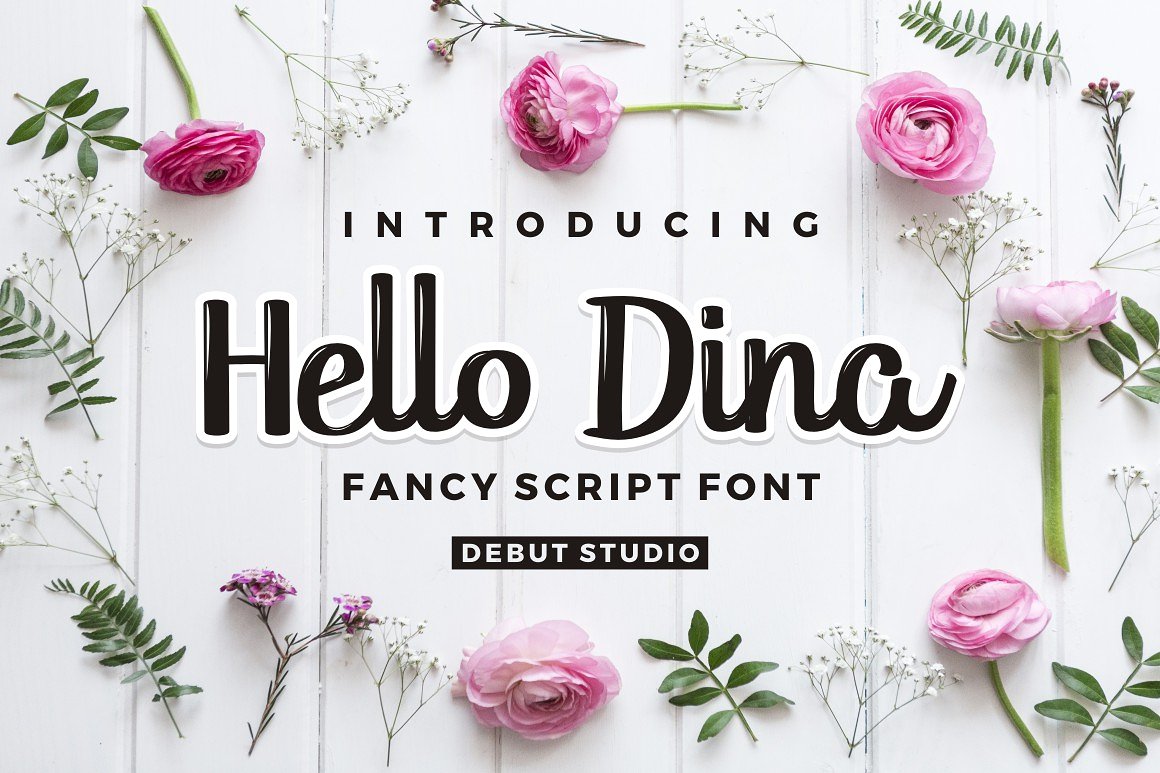
Hello Dina: A Refined Script Font for Editorial Design
As someone who crafts blog layouts, magazine covers, and digital workbooks week after week, I pay close attention to how a single typeface can shift tone, guide attention, and quietly reinforce brand identity. Hello Dina—hand-lettered by Debut Studio and part of the Script Amp collection—is one of those rare script fonts that feels both intentional and effortless. It’s not overly ornate, nor is it generic. Instead, it strikes a thoughtful balance: clean lines, consistent spacing, and subtle warmth that reads as confident—not cutesy—and polished—not stiff.
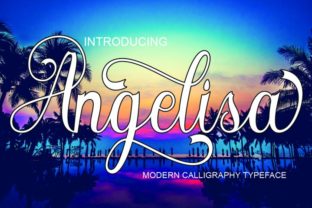
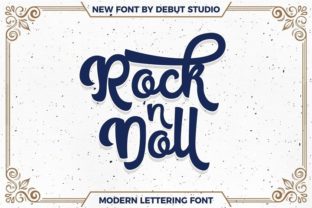
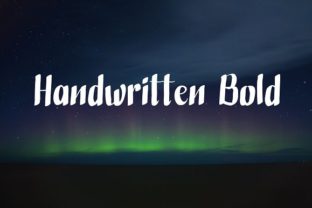
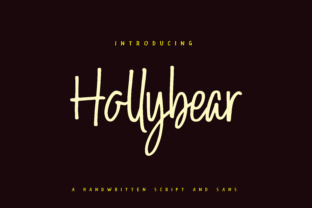
Visually, Hello Dina sits comfortably between modern calligraphy and editorial elegance. Its letterforms are fluid but controlled, with gentle entry and exit strokes that create rhythm without sacrificing clarity. The lowercase ‘a’, ‘g’, and ‘y’ carry just enough personality to feel human, while uppercase letters maintain structural integrity—making it highly effective for titles, logos, and cover treatments where legibility at scale matters. Unlike many handwritten fonts that blur or collapse in smaller sizes or on screens, Hello Dina holds its shape across devices and outputs, from newsletter headers viewed on mobile to printed chapter openers in a 6×9 ebook.
In editorial design, Hello Dina excels where visual hierarchy meets emotional resonance. Use it for blog post headers to invite readers into a story before they’ve scrolled past the fold. Apply it to magazine cover titles where you need distinction without shouting—think lifestyle publications, slow-living newsletters, or mindful coaching brands. It works especially well for quote graphics: pull a line from an interview or reflection, set it in Hello Dina over a muted background, and you’ve created a moment of pause amid fast-moving feeds.
For digital products, Hello Dina brings cohesion without overcomplication. In a recipe ebook, it elevates dish names and section dividers while leaving body text to a warm serif like Merriweather or a crisp sans like Inter. In a wedding planning guide, it softens timelines and checklist headings without undermining professionalism. For printable planners or worksheets, its clean lettering ensures crisp reproduction—even on home printers—while still conveying care and intentionality. And in a creator newsletter, pairing Hello Dina with a neutral sans serif for subheads and captions builds a layered, trustworthy voice: expressive where it counts, grounded where it needs to be.
It’s worth noting what Hello Dina isn’t designed for—and why that matters. This is not a body text font. Its charm lives in display roles: titles, subtitles, short headings, branded accents, and decorative typography. That focus makes it exceptionally reliable. You won’t wrestle with inconsistent kerning in long paragraphs or wonder whether it’ll render cleanly in PDF exports. Instead, you’ll know exactly where and how it strengthens your layout: as a signature touch above a feature article, as the sole typographic element on a lead magnet cover, or as the unifying thread across a series of social media quote cards.
Pairing is intuitive and effective. Try Hello Dina with a sturdy serif (like Adobe Garamond or PT Serif) for body copy in print magazines or long-form guides—this combination supports readability while letting the script shine in contrast. For digital-first formats—newsletters, blogs, or web-based courses—a clean, low-contrast sans serif (such as Open Sans, Lato, or Manrope) provides excellent counterbalance: legible, scalable, and neutral enough to let Hello Dina’s character breathe. Avoid pairing it with other scripts or overly decorative fonts; its strength lies in restraint.
The font includes standard OpenType features—ligatures, stylistic alternates, and multilingual support covering Latin-based languages—so it adapts gracefully to international audiences and nuanced editorial needs. If you’re designing bilingual content or publishing for global readers, those built-in glyphs help maintain consistency without manual adjustments. There’s also a single, well-honed weight: intentionally focused, not diluted across variations. That simplicity is a benefit, not a limitation—it encourages deliberate use and avoids visual noise.
From a practical standpoint, licensing is straightforward and creator-friendly. Hello Dina is a commercial font, meaning it’s cleared for use in client work, paid newsletters, downloadable templates, ebooks sold on Gumroad or Etsy, branded printables, and even packaging design for physical products. Just ensure your license covers the intended use—especially if embedding in PDFs or web fonts for subscriber-only content. Most Script Amp licenses include broad digital and print rights, but always verify scope when scaling across multiple platforms or revenue streams.
I’ve used Hello Dina across several recent projects: a quarterly digital magazine for independent educators (cover title + section headers), a guided journal for creative professionals (chapter openers + reflective prompts), and a seasonal newsletter series for a sustainable lifestyle brand (header banners + featured quote graphics). Each time, it performed consistently—not as a novelty, but as a quiet collaborator in shaping tone and structure. Readers don’t name the font, but they notice the care. They linger longer on headers. They remember the voice behind the words because the typography supports it—not competes with it.
What makes Hello Dina especially valuable for publishers and designers today is its alignment with current expectations: authenticity without informality, elegance without excess, and craft without complication. It doesn’t try to do everything—but where it’s placed, it does it well. Whether you’re refining your blog’s visual identity, launching a new ebook series, or building a cohesive suite of digital products, Hello Dina offers a dependable point of distinction. Not flashy. Not fussy. Just thoughtfully made, quietly confident, and editorially sound.