Stea: A Playful Script Font That Makes Your Brand Feel Intentional
Two weeks ago, I was holding a freshly printed candle label in my hands—soft kraft paper, minimalist layout, and that one line of text at the top: “Lavender & Rain.” It looked… fine. But not *mine*. Not warm. Not memorable. Not like the quiet confidence I want customers to feel when they hold something from my little shop. That’s when I remembered Stea.
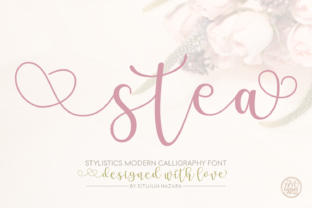
Stea is a fun, decorative script font designed by Situjuh Nazara—and it’s not just pretty. It’s purpose-built for small businesses who need charm without chaos. Think of it as your brand’s friendly handwritten note: looping, expressive, full of personality, but still polished enough for packaging, social posts, or a café menu that guests actually pause to read.
What makes Stea special isn’t just its curves—it’s how it invites decoration. It comes with stunning alternate characters you can use to start or end a word, or even “glue” two words together with elegant flourishes. That tiny detail? It’s what turns “Honey Oat” into something that feels handmade, considered, and quietly luxurious—even on a $4 sticker.
I started using Stea across everyday touchpoints: the header on my Instagram Story templates, the title line on thank-you cards tucked into orders, the small “hand-poured” tag on each candle jar. Suddenly, consistency clicked—not because everything looked identical, but because everything felt like part of the same thoughtful world. Customers began tagging me in photos where my labels appeared beside coffee mugs and bookshelves. That kind of organic visibility? It starts with typography that feels human, not generic.
Stea shines brightest in display roles: logo lockups (especially for boutique names or product lines), packaging titles, menu headers, social media banners, and digital ads where first impressions happen in under two seconds. It’s not meant for long paragraphs—but that’s okay. Pair it with a clean sans serif font like Montserrat or Inter for body text, and you’ve got balance: warmth + clarity, personality + professionalism.
Here’s how it worked for real things I shipped last month:
- A small-batch bakery used Stea for “Sourdough Loaf” on their brown paper bags—paired with a light-weight sans serif for ingredients and bake date. The contrast made the name pop, while keeping info easy to scan.
- A skincare maker applied Stea to “Rosehip Serum” on amber glass dropper bottles. The decorative beginning character gave the label subtle elegance—no extra graphics needed.
- A local café refreshed their chalkboard-style menu board with Stea for dish names (“Maple Pecan Pancakes”, “Cold Brew Flight”) and kept prices in a crisp, modern serif. Guests said it “felt more intentional”—and yes, they noticed the font.
Readability matters—especially on small surfaces. Stea works beautifully at 16–24pt on printed labels, 28–36pt on social thumbnails, and 40+pt on banners or signage. Avoid using it below 14pt for physical packaging; on mobile screens, stick to short phrases (3–5 words max) so the flourishes stay legible and charming—not fuzzy or cramped.
Before downloading, I always check what’s included: Stea comes with OpenType features like stylistic alternates and ligatures, plus standard file formats (.OTF and .TTF). It supports English and basic Latin characters—perfect for most small business needs. And crucially, it’s a commercial font licensed for use on products, packaging, merchandise, client work, and digital templates. No surprise fees, no licensing gray areas—just peace of mind when you’re printing 200 labels or uploading assets to Canva.
Typography isn’t about rules—it’s about resonance. When someone sees your brand, do they feel welcomed? Curious? Trusted? Stea helps answer “yes” without saying a word. It’s playful but never childish, decorative but never distracting, distinctive but never hard to pair. As a script font in the Script Amp category, it bridges the gap between handmade charm and modern design sensibility—exactly what so many small businesses are trying to nail.
I used to think fonts were background noise—until I saw how much softer, warmer, and more cohesive my whole brand felt after switching to Stea. It didn’t overhaul my strategy. It just made every detail feel like it belonged.
If you’re updating packaging, refreshing social templates, designing a new menu, or simply tired of fonts that look like everyone else’s—you don’t need another tool. You need a typeface that reflects your voice. Stea does that. Gently. Joyfully. Consistently.
And honestly? It makes designing feel like play again—not paperwork.